Expert Industrial Equipment Repair Services
Diagnosis and Inspection
Component Repair and Replacement
Diagnosis and Inspection
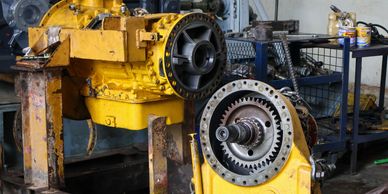
Effective gearbox repairs begin with a thorough diagnosis to identify the source and extent of the problem. This initial inspection involves checking for unusual noises, vibrations, or leaks to determine whether the issue lies in the gears, bearings, seals, or shafts. A comprehensive diagnostic process prevents unnecessary replacements and targets the actual failing components. Accurate inspection ensures that the correct repair strategy is developed before any disassembly takes place.
Disassembly and Cleaning
Component Repair and Replacement
Diagnosis and Inspection
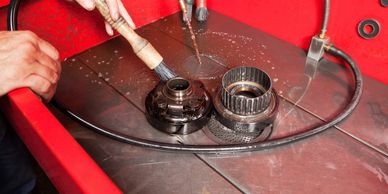
Following diagnosis, the gearbox is carefully disassembled using specialized tools to access internal components. Each part is systematically removed and organized to remember the assembly order and ensure no components are lost. A critical step involves thoroughly cleaning all parts with appropriate solvents to remove old grease, debris, and contaminants. Cleaning enables close visual inspection of each component to reveal hidden wear or damage that might be missed otherwise.
Component Repair and Replacement
Component Repair and Replacement
Component Repair and Replacement
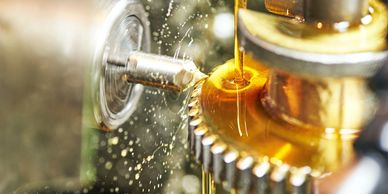
After cleaning and inspection, damaged or excessively worn components are repaired or replaced. Common replacements include worn-out bearings, damaged seals, or heavily pitted gears, which are vital for smooth operation and power transmission. If a gear is salvageable, expert machinists may be able to repair or re-machine it; otherwise, a new part is installed. This stage is crucial for ensuring the integrity of the gearbox and preventing future failures.
Reassembling and Lubrication
Reassembling and Lubrication
Component Repair and Replacement
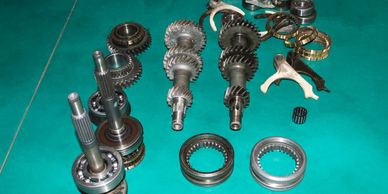
Once the components are addressed, the gearbox is meticulously reassembled following manufacturer specifications. Proper Alignment and torquing of bolts are critical to prevent binding and premature failure. Appropriate lubrication, using the specified type and amount of oil or grease, is added to the system to reduce friction and heat. Lubrication is essential for the smooth operation and longevity of the internal components.
Testing and Quality Control
Reassembling and Lubrication
Testing and Quality Control
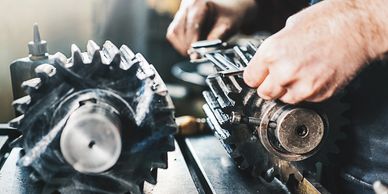
After reassembly, the gearbox undergoes rigorous testing to verify its proper function and performance. Quality control measures ensure that all repairs were successful and the gearbox meets operational standards before it is returned to service. A final inspection confirms the unit is ready for reliable use in its intended application.